
Menu Close

The Child Center’s Parent University

Making the decision to send a child or teen to a residential treatment facility is often difficult for families. Programs like the Child Center’s Parent University keep a family involved in treatment, helping families ensure a successful transition back home and reinforcing treatment and recovery needs.


Read More »

PTSD Awareness: When Acute Stress Disorder Becomes More

When a traumatic event occurs in someone’s life, it is expected for them to react with acute stress or even shock. It’s when the acute stress symptoms persist that it may be more than a healthy reaction. An acute stress reaction is a psychological response one goes through after experiencing some sort of trauma; it is the minds way of coping with feelings of intense helplessness. This becomes “Acute Stress Disorder,” if the reaction persists for over two days, but diminishes after about a month. Initially, the victim will experience confusion and a state of disorientation with an inability to comprehend what is going on around them. This is followed by either complete withdrawal from the situation or agitated, anxious responses and depression. The reaction begins within minutes of the event and typically disappears within hours to 2-3 days. If not, this is when acute stress becomes a disorder.

Read More »

Disordered Eating VS Eating Disorders

Often times when people hear the term “disordered eating,” they assume it’s another way of saying one has an eating disorder. However, these terms are not interchangeable. With an eating disorder, food intake and weight issues consume your thoughts and actions making it nearly impossible to focus on anything else; it is a mental illness. Eating disorders often cause multiple, serious physical problems and, in severe cases, can become life threatening.

Read More »

Mental Health Month: Mental Wellness is as important as Physical Wellness

Mental Health affects everyone; mental health issues affect about 80% of people in one way or another. Chances are you know someone who is or has dealt with mental illness and recovery, or know of someone who is going through the process of dealing with some sort of anxiety, depression, addiction or eating disorder.

This year Mental Health America has made their theme Pathways to Wellness, which sheds light on key points that we at Rogers Memorial Hospital would like to pass along.

Read More »

Depression Treatment: CBT (Cognitive-behavioral Therapy)

Cognitive-behavioral therapy, or CBT, for depression really started in the 1960’s with behavioral therapy treatments focusing on activity scheduling. CBT today still includes many of these early interventions. Activity scheduling, and its modern form, called behavioral activation, is based on the idea that individuals’ moods and activities are highly related. That is, when people become depressed, they tend to change what they do. For

Read More »

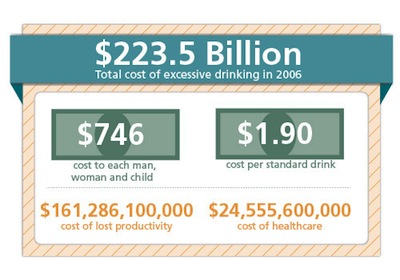
Excessive Alcohol Consumption: What does it really cost?

When thinking about excessive alcohol consumption most people picture the typical adverse effects such as slowed reaction times, poor decision making and even liver problems. But what are the hidden costs of excessive alcohol consumption and can it have a lasting effect on health or even your pocketbook?

Read More »

Rogers Partners With Schools to Provide Better Environment for Kids

Communication and collaboration are keys to keeping kids on track in schools.

Supporting the academic, social and emotional learning of students is a priority for any school district. Rogers hospital collaborates with many districts in order to offer expanded resources to struggling students. This partnership combines the experience and expertise of Rogers Child and Adolescent Day Treatment staff with an academic tutoring environment. This synergistic approach provides students with the extra attention they may need to stay on track in school.

Read More »

Top 10: Ways for Primary Care Providers to Know It May Be Time to Refer to Rogers

Introduction

Psychiatric Care ProfessionalsBehavioral health issues are part of the fabric of our human existence, but few people understand them and even less people understand how they can be treated. People who suddenly find themselves in the middle of a crisis having to do with mental health issues don’t know where to turn. They end up visiting a primary care physician or a psych ward at a local hospital. Sometimes this is all that is needed, other times, the patient and/or family need more specialized or depth of care than a primary care provider can give.

Read More »

Eating Disorder Resources that Work: Part 5

Eating Disorder Hope (link is external) – EatingDisorderHope.com’s mission is to provide information and resources for patients and families. Since 2005, their philosophy of promotes ending eating disorder behavior and pursuing recovery. Eating Disorder Hope has a very robust social media presence, as well as the following programs in order to assist both people in recovery and families who support those recovering:

Read More »

Eating Disorders Resources Working For Patients and Families

Eating disorders require treatment and there are thousands of people in the U.S. who have made it their life’s work to make treatment more effective, make recovery easier and readily available. There are very strong organizations related to the treatment and care of eating disorders that help patients and families not only find a path to recovery, but also resources to stay healthy and keep those who remain in recovery on the right path. This 5 part series will focus on some of the resources available to patients and families that help make a difference in the treatment of eating disorders:

Read More »