

Cody’s Story: Finding healing and himself through OCD and anxiety treatment
Cody says that although he had a happy and carefree childhood, when he was in his 20s, he struggled with persistent, unwanted thoughts, and suicidal ideation.
Cody says that although he had a happy and carefree childhood, when he was in his 20s, he struggled with persistent, unwanted thoughts, and suicidal ideation.
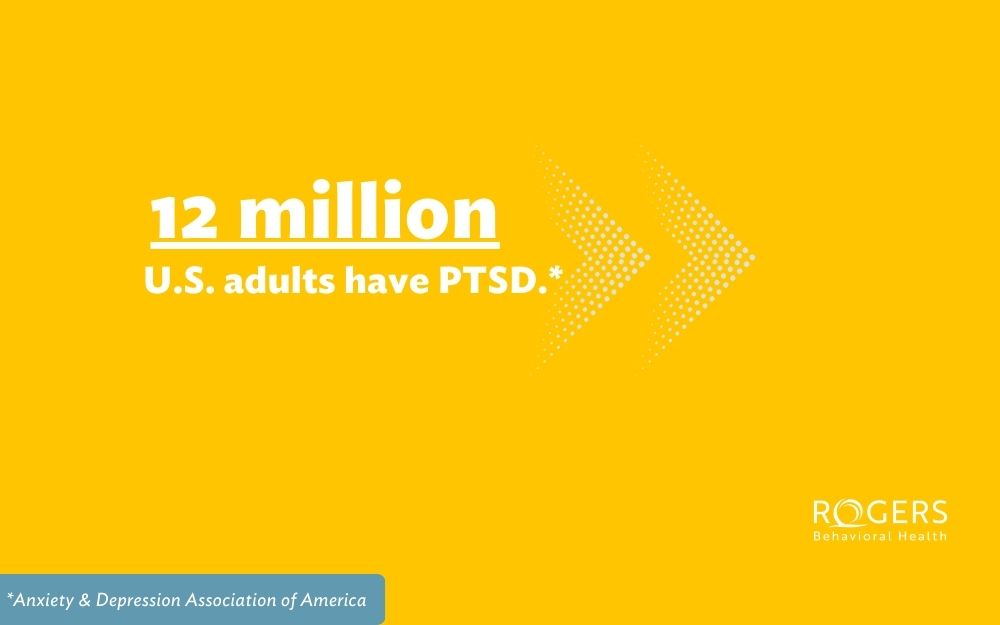
Posttraumatic stress disorder (PTSD) affects approximately 8 million U.S. adults each year. First recognized in 2014, PTSD Awareness Month is an important opportunity to share resources and hope for those who are suffering.

Mina Yadegar, clinical supervisor at Rogers in Los Angeles, discusses re-entry anxiety, and provides several tips to ease symptoms.

Zach, a former patient in Rogers’ Eating Disorder Recovery inpatient and residential care, struggled with severe anxiety for as long as he can remember. He developed an eating disorder and was about to give up when he talked to his therapist about Rogers.
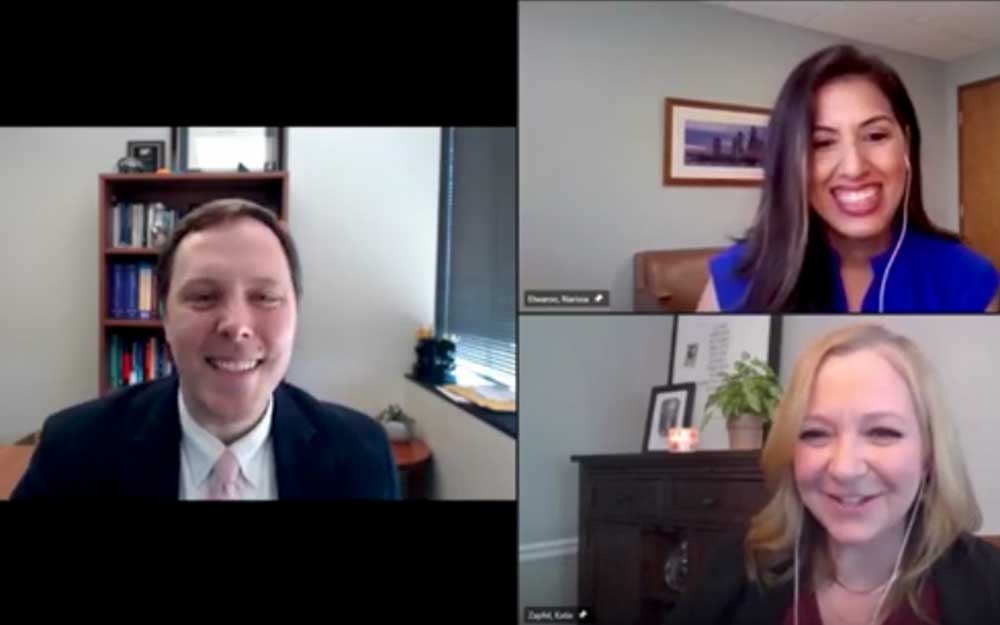
In today’s blog, Rogers’ Dr. Narissa Etwaroo and Dr. Sean LeNoue sit down for a live Q&A on the importance of understanding addiction symptoms, treatment, and stigma surrounding the disorder.

It’s the time of the year when many of us are rolling up our sleeves and engaging in an annual “spring cleaning.” While this leads to relief for some, the idea of doing so can cause a lot of stress to someone who has hoarding disorder. Below, Sanjaya Saxena, MD, explains what hoarding disorder is and clears up common misconceptions.
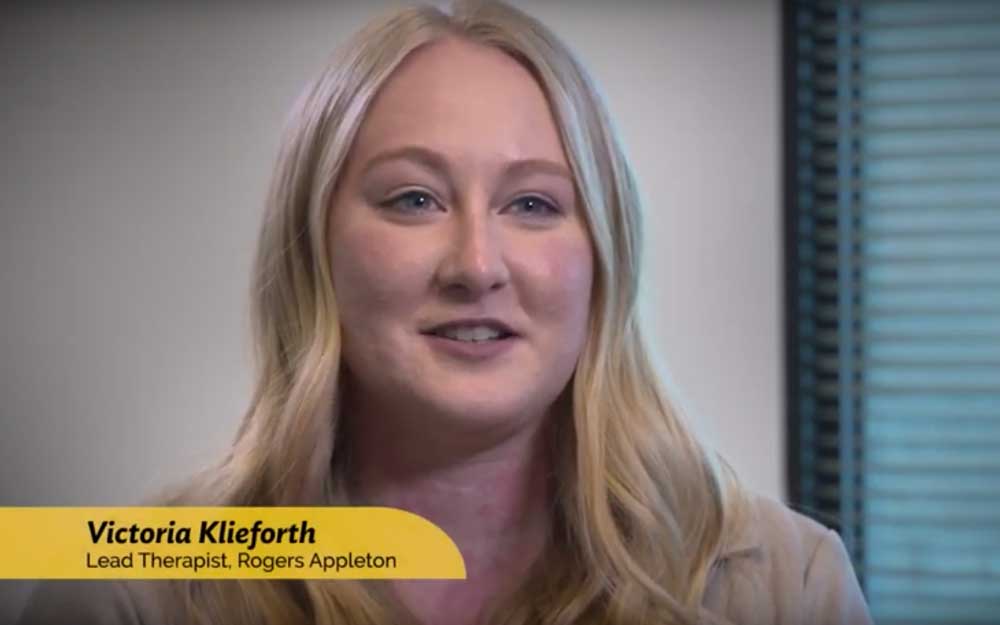
Hear from two Rogers team members about the role therapists play and how they’re empowered to rise above in their career in psychiatric care.
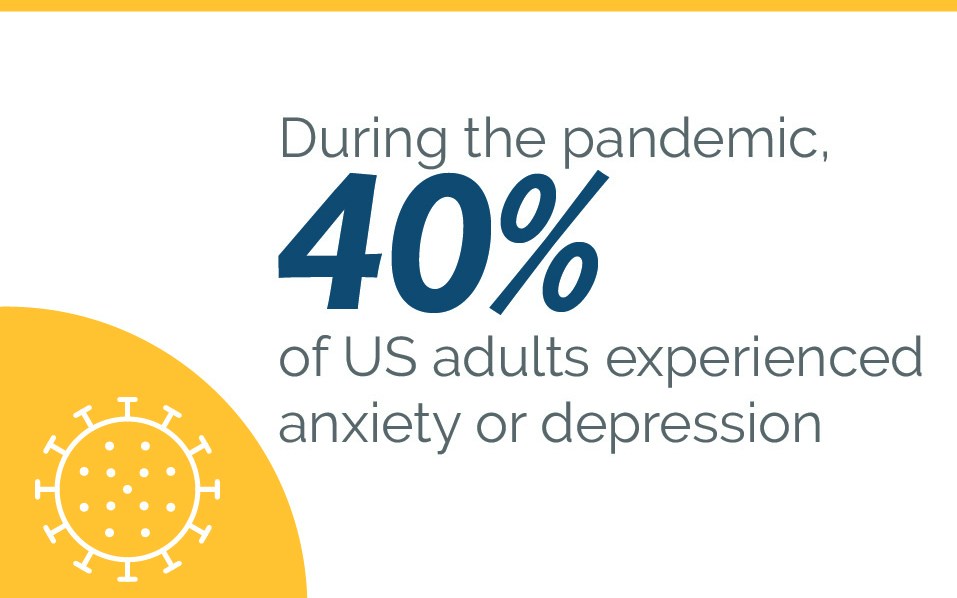
As we enter our second year of the COVID-19 pandemic, many of us are experiencing heightened levels of stress and anxiety, depression, and other mental health concerns. But due to stigma, not everyone is comfortable reaching out for treatment. Help us spread awareness of mental health this May and let everyone know that there’s nothing wrong with needing help.

As we continue to learn more about COVID, a recent study is shedding light on the mental health and addiction challenges that can arise in patients recovering from the illness.

Although it has become trendy to say, “I’m OCD” when describing yourself as being organized or precise, obsessive-compulsive disorder (OCD) is a serious mental health disorder.