

Explore a new career as a therapist and help patients find their road to recovery
A new year means new goals. As the leader in mental health and addiction care, Rogers Behavioral Health may be able to help you achieve your career aspirations.
A new year means new goals. As the leader in mental health and addiction care, Rogers Behavioral Health may be able to help you achieve your career aspirations.

Throughout COVID-19, there’s a heightened need for mental health and addiction care. In response, Rogers Behavioral Health began serving patients virtually across the country through Rogers Connect Care — a telehealth treatment option for people who would benefit from specialized partial hospitalization or intensive outpatient levels of care.
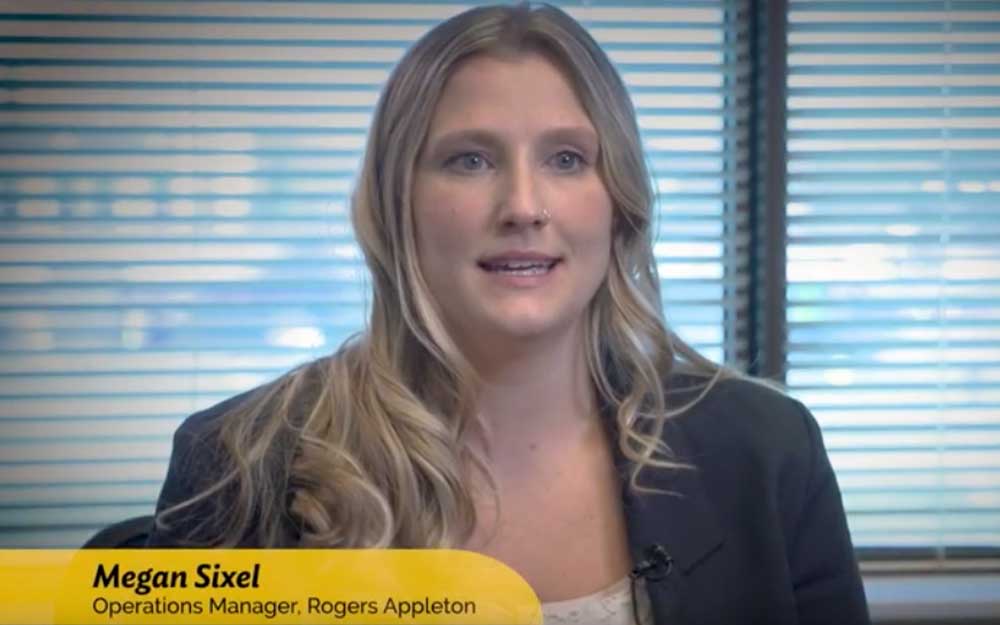
Studies show that nearly one-third of alcohol users and half of drug users also have a mental illness. To effectively treat both addiction and co-occurring disorders at once, Rogers looks at patients holistically instead of isolating one issue at a time.

If a friend or loved one tells you they’ve been in treatment for mental health or addiction, you may be wondering about the best way to respond. Rogers’ Sue McKenzie Dicks, vice president of healthy culture at Rogers Behavioral Health, shares some common missteps and supportive things to say so your friend or loved one feels validated and understood.
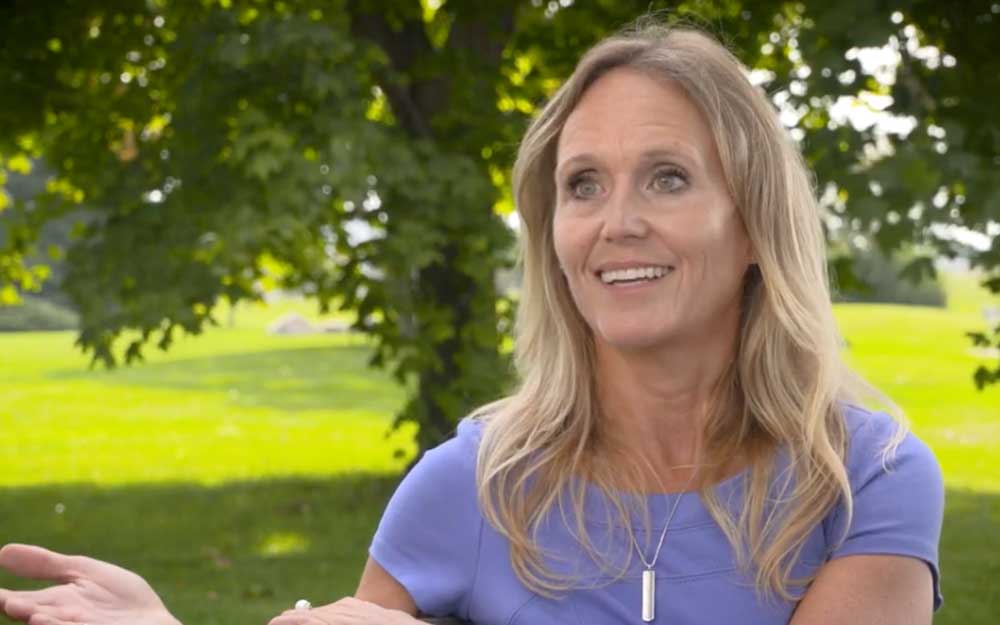
Stephanie says she has struggled with mental health her entire life along with her older brother who died by suicide. She was in and out of outpatient therapy and thought she had things under control until she reached a point where she knew she needed more intensive help.

Through his hard work and dedication, Dr. Brian Kay helped transform outcomes at Rogers and his own career. Dr. Kay would go from intern to residential counselor, behavior specialist, director of Clinical Effectiveness – and eventually the vice president of Continuous Improvement.

The holidays can be a difficult time of year. To help ease these struggles, the Ronald McDonald Family Room is bringing the holiday spirit to families of those in treatment.

The holiday season can often be a mix of joy and stress. While we look forward to many traditions, as the pandemic drags on with new variants, we’re forced to find ways to reinvent or possibly postpone family gatherings. Mental health advocate and morning show DJ at 103.7 in Milwaukee, WI, Riggs, hosted a Facebook Live with Rogers Behavioral Health experts Adrianne McCullars, PhD, associate clinical director and psychologist at Rogers’ Tampa clinic, and Sue McKenzie Dicks, vice president, healthy culture, to discuss how we can keep our mental health in check.

Statistics show that for people who have an anxiety or mood disorder, their chances of having a co-occurring pain disorder increases by 50 to 60%. Today’s blog examines the connections between mental and physical health.

According to the National Center for Drug Abuse Statistics, teen drug use is on the rise, with alcohol and marijuana being the most used substances. Dr. Angela Orvis answers commonly asked questions about teen substance use and explains the difference between experimentation and addiction.