

My child has OCD: one mother’s story
When traditional therapy wasn’t enough to treat her son’s OCD, one mother set forth on a brave new journey that took her across the country to finally find a solution at Rogers.
When traditional therapy wasn’t enough to treat her son’s OCD, one mother set forth on a brave new journey that took her across the country to finally find a solution at Rogers.
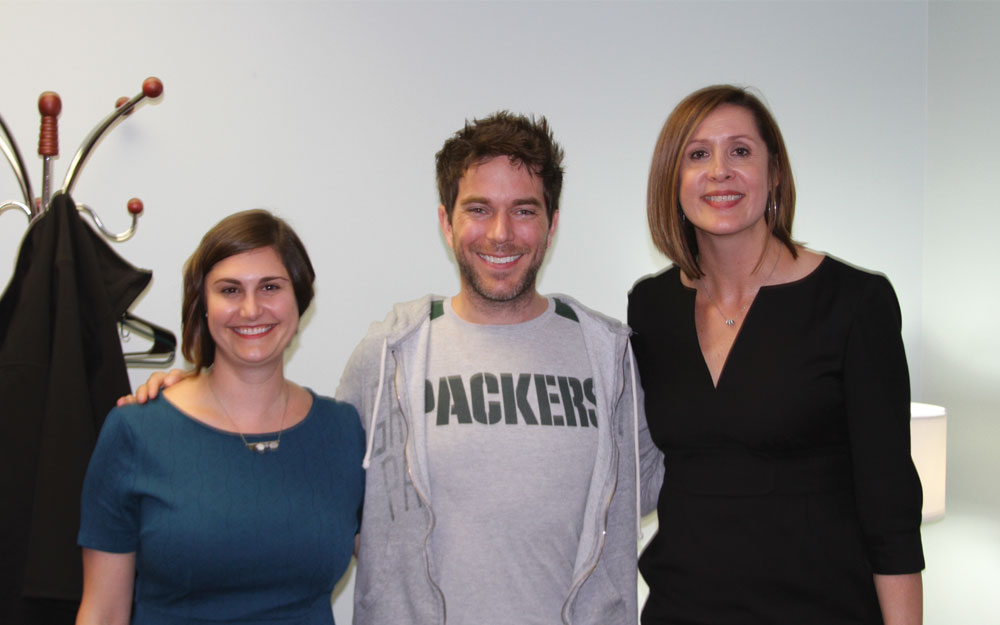
An email to Nashville radio host Ty Bentli from the Ty, Kelly, and Chuck morning show made him think twice about comments he made.

Quick tips to help your child learn to love new foods from Samantha Hamby, registered dietitian at Rogers Behavioral Health-Nashville.

Children on the autism spectrum are often extra attentive to detail, enjoy having things just so and prefer the structure of daily patterns. These behaviors probably please your child and help him or her navigate the world around them.

Exposure and response prevention (ERP) treatment for obsessive-compulsive disorder (OCD) isn’t easy, especially when you’re a child or teenager. Every day, your treatment team is asking you to face your worst fears and avoid using your repetitive behaviors or rituals to control your anxiety. Because treatment can be difficult, it’s necessary for parents to be actively involved in their child’s care plan and not participate in symptom accommodation.

Rogers Behavioral Health’s Tampa, Florida; Nashville, Tennessee; and Skokie, Illinois; locations offer a variety of partial hospital and intensive outpatient programs for children, teens and adults with anorexia nervosa, binge eating disorder and bulimia nervosa. The Rogers’ teams, however, often find their patients also dealing with comorbid conditions related to anxiety.

Optimal mental health is critical for overall well-being, but for those struggling with behavioral health challenges, life-changing treatment can be costly. Unfortunately, as with general medical care, insurance doesn’t always cover the total cost of a person’s behavioral health treatment or the length of treatment that may be most beneficial. No one wants to face going without a life-saving medical operation for you or your loved one because of finances. The same is true for your or a loved one’s mental health or addiction care.

October 11-17 is International OCD Awareness Week, an observance founded by the International OCD Foundation (link is external) (IOCDF). Now in its sixth year, International OCD Awareness Week was created to improve public understanding of Obsessive-Compulsive Disorder (OCD), and increase timely access to care and behavioral health treatment.
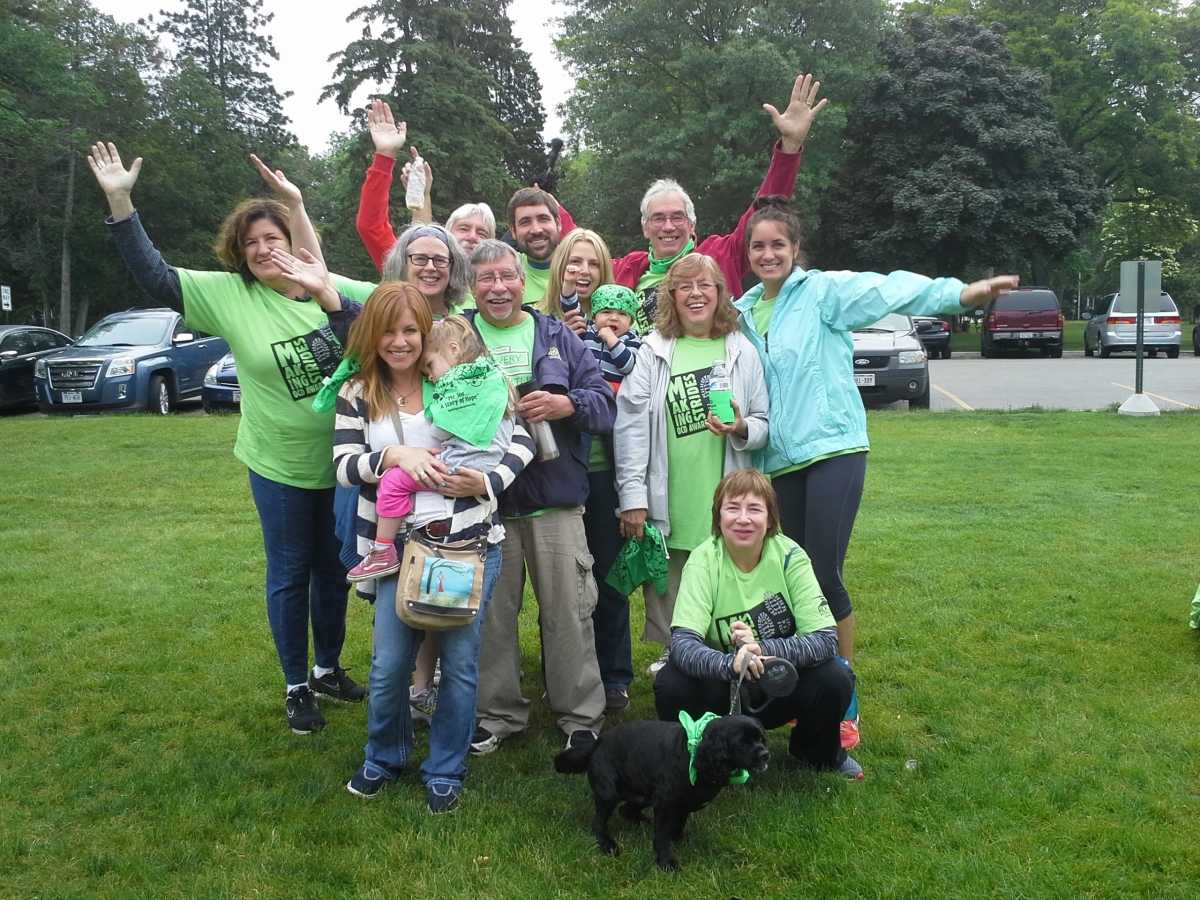
The first OCD-Wisconsin Walk was held Saturday, June 13th. The two-mile walk around Fowler Park in Oconomowoc, WI was organized by OCD-Wisconsin (link is external), an affiliate of the International Obsessive Compulsive Disorder Foundation (IOCDF). Rogers Memorial Hospital was a major sponsor for the event. The goal of the walk was to raise awareness for Obsessive Compulsive Disorder (OCD).

ADSM-5 OCD, PTSD, Anxiety few of the primary changes in DSM-5 include the reorganization of chapters for better groupings of disorders – including obsessive-compulsive disorder (OCD) and posttraumatic stress disorder (PTSD) – and the framework within those chapters that recognizes age-related aspects. This is important because it reflects the nature of some disorders within a patient’s lifespan. DSM-5 lists diagnoses that are most applicable to infancy and childhood first, followed by those that are more common to adolescence and early adulthood, ending with those that are often diagnosed later in life.